The First Step to Reading: Hearing Sounds
Before children can read words, they must learn to hear sounds clearly. This blog explains why phonemic awareness is the true starting point of reading and how Hands-On Phonics helps children build strong listening and sound awareness skills through play, stories, and simple activities.
12/6/20253 min read
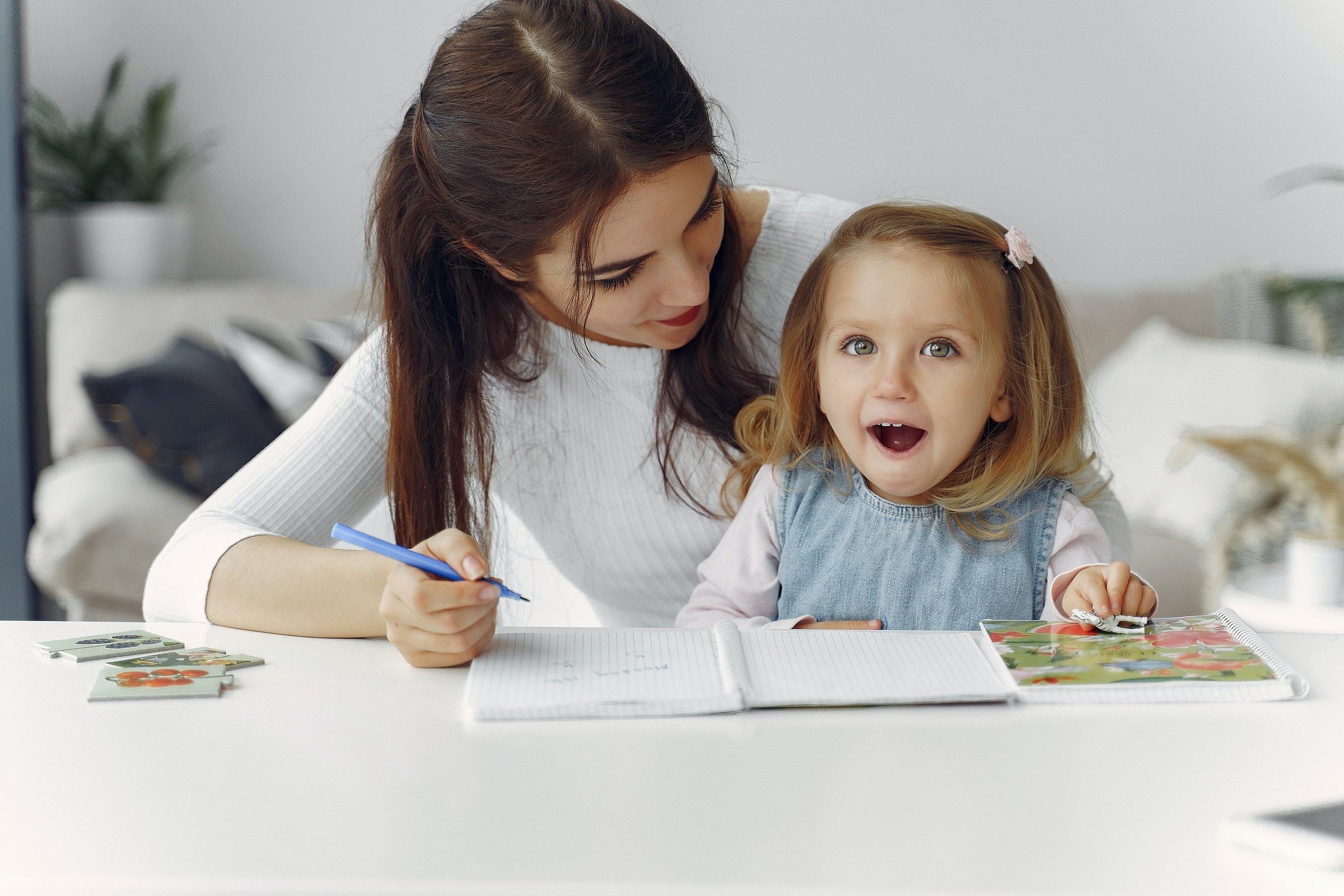
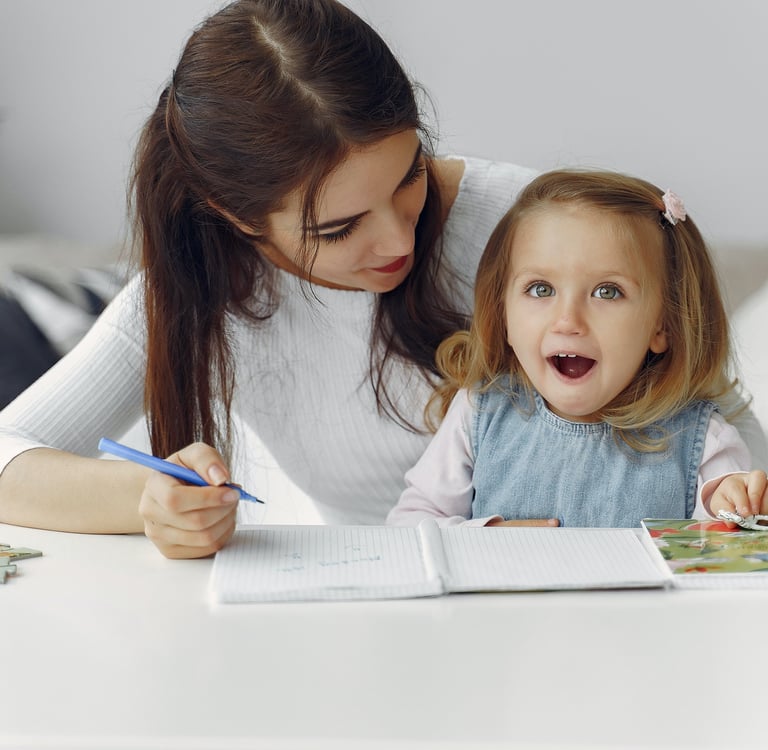
Phonemic and Phonological Awareness
The First Step to Reading: Hearing Sounds
Before children can read words,
they need to hear sounds clearly.
This might sound obvious, but it is one of the most missed steps in early reading.
Many adults start with letters:
A–B–C, sounds on flashcards, or early reading books.
But reading does not begin with the eyes.
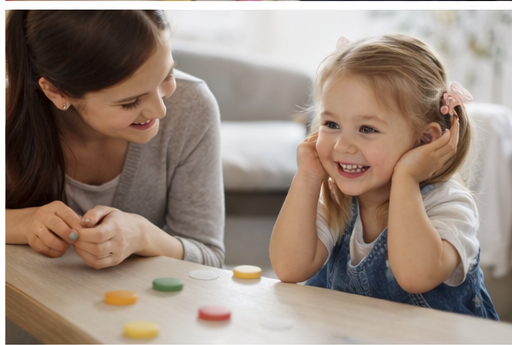
It begins with the ears.
Why hearing sounds matters first
When children learn to read, they are asked to do something very complex:
hear a sound
remember it
connect it to a letter
blend it with other sounds
If the hearing part is weak, everything after that becomes harder.
That’s why children may:
confuse similar sounds
struggle to blend
guess words instead of decoding
feel frustrated very early
This is not because they are not trying.
It’s because their phonemic awareness is still developing.
What is phonemic awareness
(in simple words)?
Phonemic awareness is the ability to:
hear sounds in words
notice where sounds begin or end
play with sounds without seeing letters
For example:
hearing that cat has three sounds: /c/ /a/ /t/
noticing that sun and sock start with the same sound
clapping sounds in a word
stretching a sound and saying it slowly
No letters are needed for this.
And that’s important.
Why HOP starts with sound play
At Hands-On Phonics (HOP), we don’t rush children into letters.
We start with sound play.
Because when children:
move with sounds
say sounds playfully
repeat sounds in stories and games
they begin to own the sounds.
Later, when letters are introduced, the sounds already feel familiar.
That’s when reading starts to feel possible.
Sound play
is not “just play”
This is something many adults worry about.
“If my child is clapping, hopping, or playing with sounds, are they really learning?”
Yes. They are.
Sound play is:
training the listening brain
strengthening memory for sounds
preparing children for blending later
It is real learning — even when no book is open.
What sound play looks like in HOP
In HOP sessions, sound play might look like:
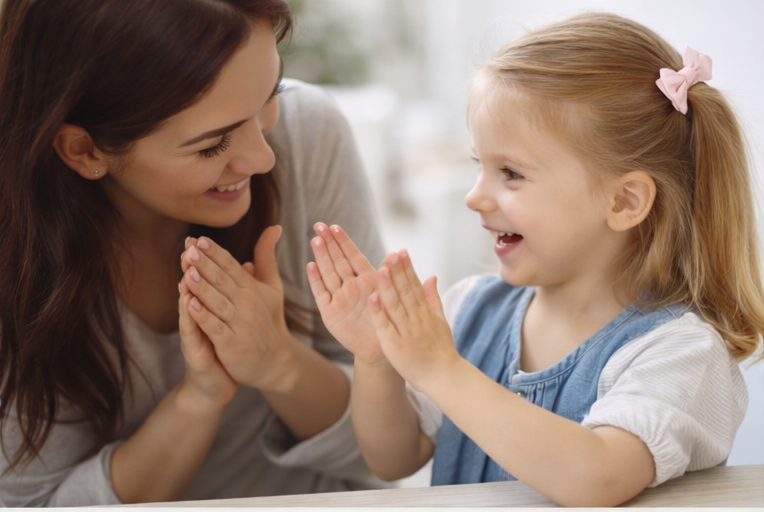
clapping each sound in a word
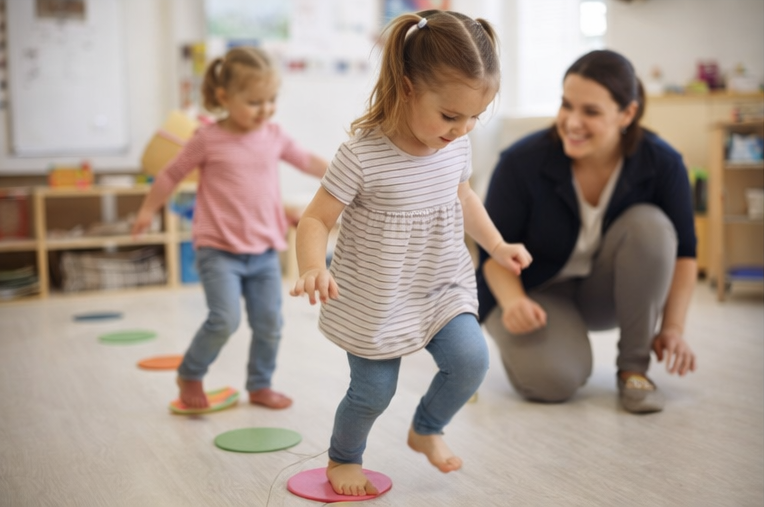
hopping forward for each sound
saying sounds like a robot
listening to sounds inside a story
repeating sounds through actions
These activities are short, active, and purposeful.
They help children hear clearly before they read.
A small step you
can take today
Before your child reads today, ask yourself:
“Did my child get a chance to hear, move with, and enjoy sounds?”
If yes, you are already supporting reading.
If not, that’s okay. You can start small.
A free sound-play resource from HOP
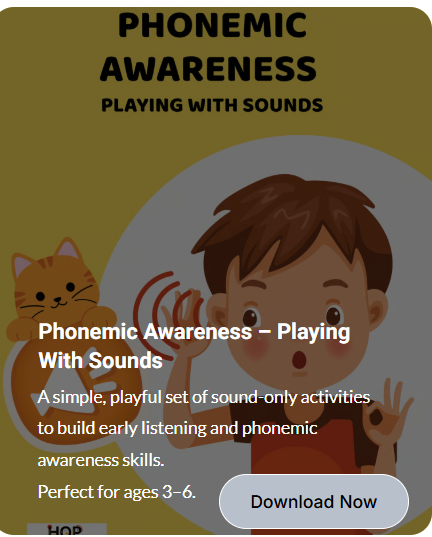
To support parents and teachers, we’ve created a short HOP Sound Play Activities guide.
It includes:
10 simple phonemic awareness activities
no worksheets
no special materials
activities you can use at home or in class
You can use:
one activity a day
as a warm-up before stories
or during playtime
👉 [Explore the HOP Sound Play Library here]
(Insert your actual link to the HOP library / PDF page)
Moving forward
Reading does not start with reading.
It starts with listening.
When children learn to hear sounds clearly,
everything that comes next becomes easier to understand.
At HOP, we’ll continue to build reading from the ground up —
starting with sound, movement, and meaning.
Hands-On Phonics (HOP)
Supporting children, parents, and teachers
in steady, child-friendly early reading journeys