The Hands-On Phonics (HOP) Program
Hands-On Phonics (HOP) is a systematic phonics reading program designed to build strong foundational reading skills through clear structure, story-based learning, and hands-on experiences that support understanding..
The program focuses on helping children understand how reading works—beginning with listening to sounds, moving to blending, and then applying these skills to real reading. Stories, actions, and guided practice help children make sense of sounds before they read, building confidence and understanding at every stage.
Hands-On Phonics is designed primarily for early readers aged 3–7, and can also be used to support older children who need to strengthen foundational phonics skills.
How the Hands-On Phonics Program Works
Hands-On Phonics follows a clear and intentional learning progression. Concepts are introduced step by step, explored through stories and hands-on experiences, and reinforced until children demonstrate confidence and readiness to move forward.
Progression is based on understanding and mastery, not age or speed.
The Children’s HOP Journey
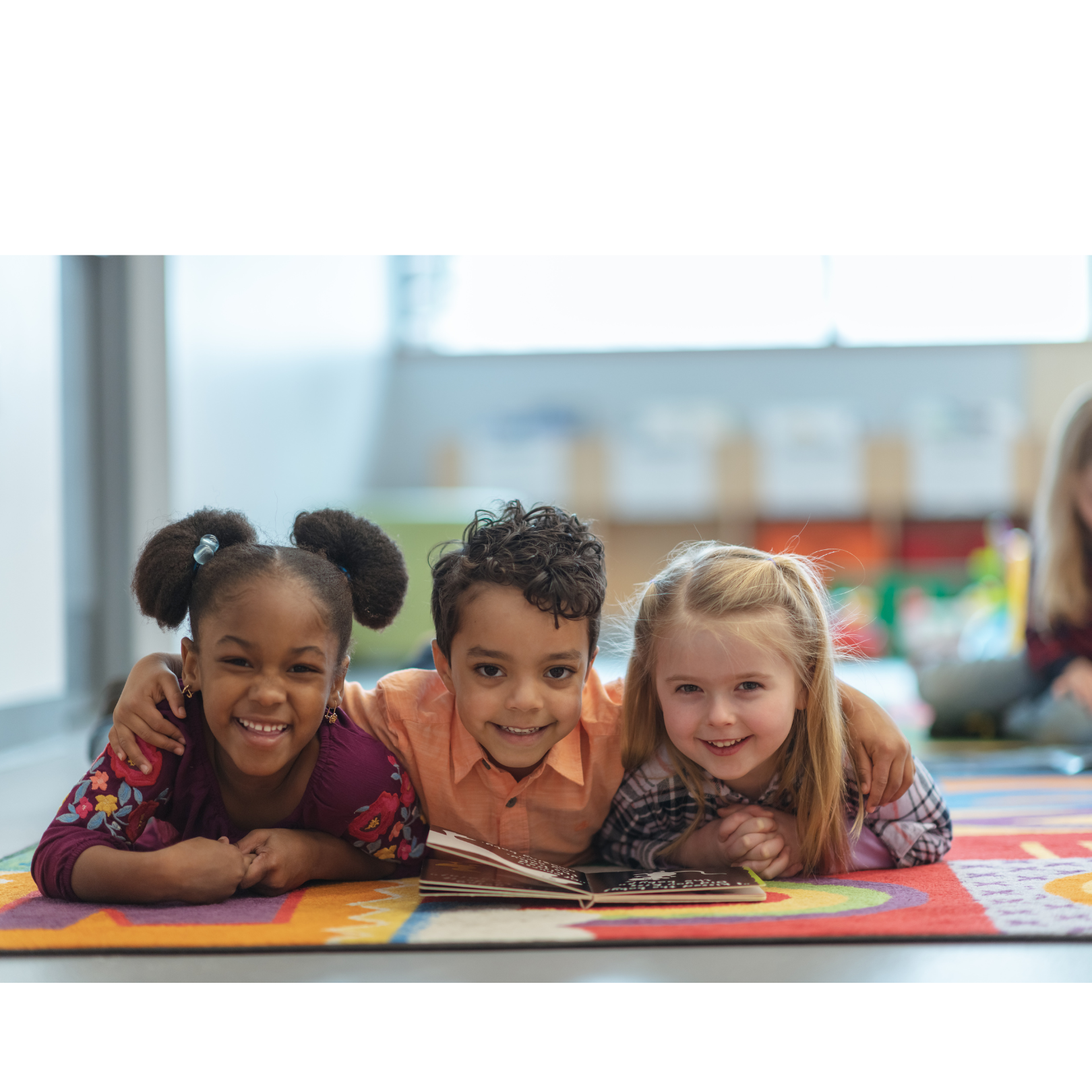
Hands-On Phonics (HOP) is a multisensory, story-based phonics program where letters become characters and stories explain how sounds work when they come together. Children don’t just learn sounds—they understand them through stories, movement, and visual support. This journey helps children move from sound awareness to confident reading, step by step, at a developmentally appropriate pace.
Stage 1: I-SPY Letters
(Foundational Sound Awareness)


Stage 2: Gang Letters Adventure
(Blending and Word Building)
(Patterns, Meaning, and Reading Application)
Stage 3: Word Mystery



This is where a child’s reading journey begins.
Children learn to notice sounds, recognise letters, and build strong listening skills. The focus is on understanding the connection between spoken sounds and written letters
Why this stage matters
Strong sound awareness prepares children to blend sounds and read successfully.
Where sounds come together to form words.
Children begin blending sounds to read and build simple words. This stage focuses on helping children hear, say, and read sounds together with confidence.
Why this stage matters
Blending is the bridge between knowing sounds and becoming a reader.
Where children unlock new and unfamiliar words.
Children explore phonics patterns and apply them to real reading. The focus shifts toward decoding, understanding, and reading independently.
Why this stage matters
Word Mystery helps children use phonics as a tool for meaning, building confidence as independent readers.
Across all stages, Hands-On Phonics follows a consistent learning rhythm:
Seeing, hearing, saying, touching, and making meaning through stories
Short, focused lessons with repetition and review
Guided practice followed by independent attempts
Continuous observation and gentle assessment
Children move forward based on readiness and confidence, not pressure or speed
How Learning Happens in HOP
The Hands-On Phonics journey:
Is systematic and structured
Is child-friendly and story-based, helping children understand how letters and sounds work together
Builds skills gradually without gaps
Supports both early learners and children who need extra foundational support
Keeps learning joyful, meaningful, and engaging through stories and hands-on experiences
Why This Journey Works
Multi-Sensory Learning in Action
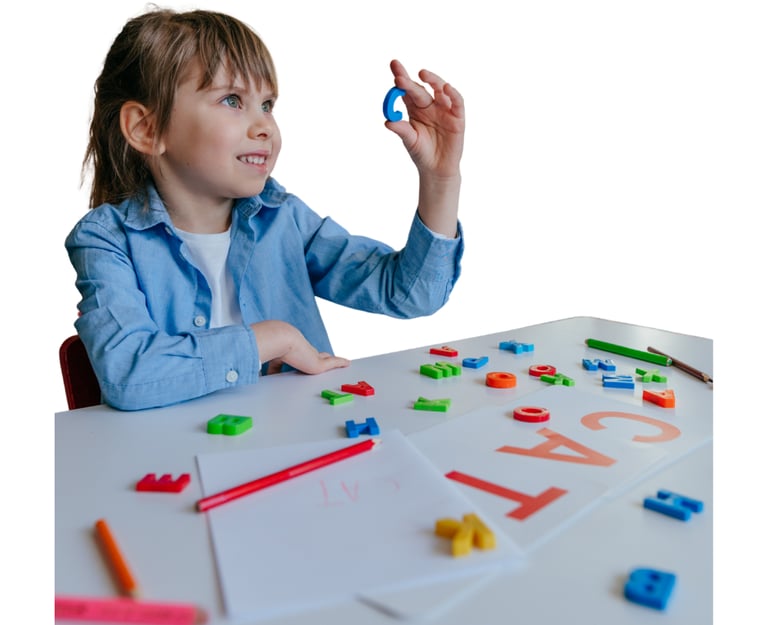
Learning in Hands-On Phonics engages the whole child — mind, body, and emotions. Children don’t just learn sounds; they experience them through sight, hearing, touch, movement, and story.
Children:
See letters and patterns clearly
Hear accurate sounds and strong models
Say sounds, words, and sentences aloud
Feel how their mouth moves while making sounds
Write, trace, and build letters through hands-on activities
Connect sounds to meaning through stories and actions
Stories play a special role in HOP. Letters are given roles, relationships, and feelings, helping children understand how words are built naturally — not through abstract rules. This whole-body, story-based approach builds deeper phonics understanding, stronger memory, and a solid foundation for confident reading.