
Hands-On Phonics (HOP)
A structured phonics and decoding system that helps teachers show children how reading works — step by step.
Too many children struggle to read because phonics instruction is unstructured. Hands-On Phonics gives teachers a clear, step-by-step phonics and decoding system to teach reading with confidence and consistency.
Who Uses Hands-On Phonics?
Children
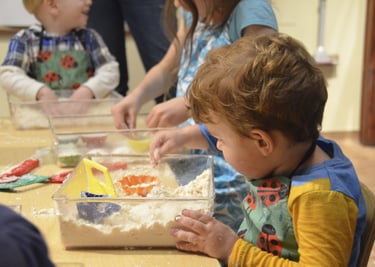
A joyful, hands-on phonics experience for children aged 3–7, helping them develop sound awareness, blending skills, and early reading confidence.



Parents
Clear guidance that helps parents support their child’s reading development at home, alongside school instruction.
Teachers & Schools
A classroom-ready phonics framework designed to support early literacy instruction in schools and early years classrooms.
Hands-On Phonics supports early reading by guiding the adults who teach children—at school and at home.
WHY HANDS-ON PHONICS WORKS
Based on systematic phonics instruction
Sounds before letters; blending before reading
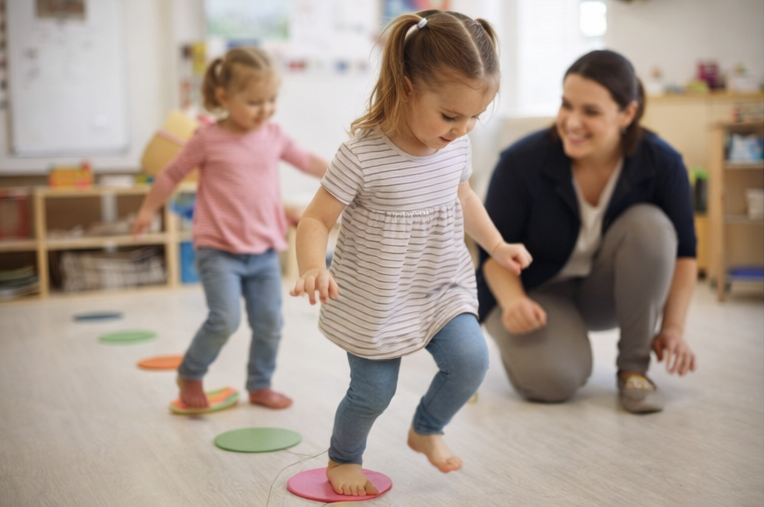
Multisensory, Whole-Brain Learning (Children learn through stories, movement, and visual support - bringing emotion, thinking, and action together so sounds make sense before reading.)
Clear progression built on mastery, not memorization
Designed to support children with different learning needs
Why Hands-On Phonics?
HOW SCHOOLS WORK WITH HANDS-ON PHONICS
Hands-On Phonics supports schools through an instructional partnership that focuses on teacher clarity and consistent early reading outcomes.
School-wide teacher training for Nursery–Grade 2 educators
Hands-on workshops that build practical phonics understanding
Classroom-ready guidance so teachers can apply HOP step by step
All implementations follow the same structured HOP approach to phonics and decoding.
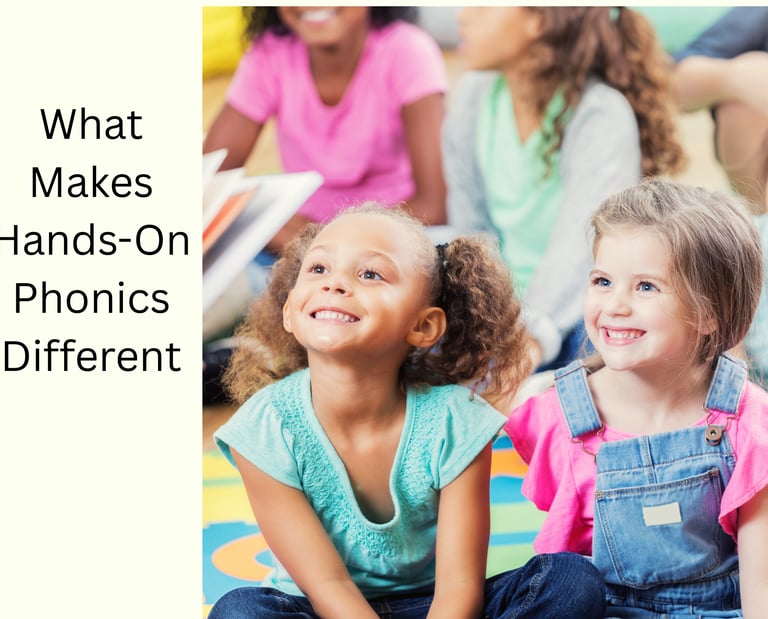
What Makes Hands-On Phonics Different
Clear, Step-by-Step Phonics Progression
HOP follows a carefully planned phonics sequence that builds logically from letter sounds to blending, digraphs, long vowels, and word patterns. Each new concept connects to what the child already knows, ensuring strong foundations and no gaps in learning.
Built for Real Homes and Classrooms
Lessons, routines, and activities are designed to fit into everyday school schedules and home routines. This allows teachers and parents to support children consistently, using the same language and approach across classroom and home.
Story-Based, Multi-Sensory Learning
In Hands-On Phonics, sounds are introduced through stories, actions, movement, and visual cues. Children don’t just hear sounds — they experience them in meaningful contexts. This helps learning feel natural, memorable, and connected, so children can apply phonics with understanding.
The Children’s Phonics Journey with HOP
Every child in Hands-On Phonics follows a structured phonics journey that grows with them.
Phonological awareness and phonemic awareness are woven throughout all three levels, alongside systematic phonics, so children build strong listening, sound-manipulation, and reading skills together.
Parents, teachers, and schools have clear visibility into what children are learning, why it matters, and how skills progress from one stage to the next.


hands-on phonics
Developing Strong Readers for a Lifetime

About Hands-On Phonics
Hands-On Phonics helps children learn to read in ways that feel clear, fun, and meaningful. Through stories, movement, and hands-on practice, children understand how words are built, while parents, teachers, and schools are guided with simple, consistent tools.

Want to Know More About Hands-On Phonics?
Fill in your details to receive a clear overview of how the Hands-On Phonics program works and how learning progresses.